Table of Content
To help you decide which is best for your family, here’s an overview of both types of day care, as well as our list of pros and cons that can help you make the most informed decision about what’s right for your child. Family child care is usually provided in a person’s private home by one or two individuals. Most states have limits on the number of children who can be in family child care. Family child care providers are required to register and meet specific rules in most states. Family child care homes are more likely to have mixed-age groups of children. The study raises troubling questions about the options available to families without access to publicly funded preschool.
Increasing options for mothers who want to combine care might be one direction for practice and policy. A recent demonstration in Illinois documented positive experiences of parents, teachers, and providers when preschoolers stayed in family child care part of the week while attending state-funded preschool the rest of the time, with transportation provided between settings (Forry et al., 2011). Such programs may also more broadly support universal pre-school movements, which have sometimes been aligned with schools (Bogard & Takanishi, 2005; Pew Center on the States, 2011). It is also important to keep in mind that the 4% of cases that we excluded because respondents were not mothers and the additional 4% of cases excluded because of missing data had somewhat lower socioeconomic status than included cases.
Child care centers have a school-like environment.
Choosing the right home daycare center will be essential to working parents that like to ensure their child’s well-being. Thank you for sharing information about home-based childcare, commonly known as a home daycare. I love the idea when you mention the comfort of having a familiar location for the children would make them feel comfortable.
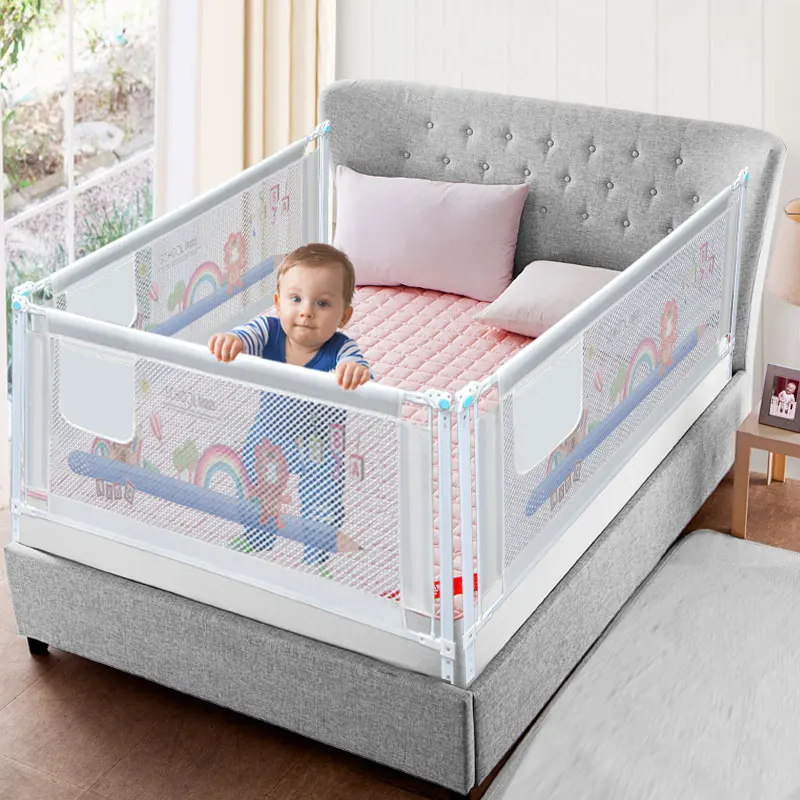
This may not be right for you if you’re looking for a more intimate setting for your baby. Here are some of the main advantages, and disadvantages, myself and others parents have found with having your child attend a centre-based child care program. Whichever type of daycare you choose, make sure you know what sort of baby proofing equipment they use.
What is the difference between a child care center and family child care? Which is better for young children?
Many have smaller caregiver-to-child ratios, too, allowing the staff to provide more the individualized care parents of babies sometimes prefer. A good daycare/preschool will help get your child used to playing with lots of other children. Plus, kids learn the routines of a daycare center, so they are ready for kindergarten.

I agree that home-based early childhood education would be a good foundation for a child’s growth. Close friendships – The smaller number of children attending a homecare can create close friendships between the children. Often the care providers are parents themselves who have their own young kids at home. My daughters became good friends with our providers own girls, often inviting them to their birthday parties or playdates outside of daycare hours. Large Groups– Many daycare centres provide care to large groups of kids at once, separated into infant, toddler, and preschool classrooms.
BUSINESS SERVICES
It is important for a parent to explore each type of child care and take into consideration the child’s needs. For example, will your child feel comfortable in a larger classroom with more children and teachers? The quality of children’s child care experiences is related, at least in part, to the child care provider’s educational preparation for the job.

Although the specific findings differed between the two studies that predicted multiple care use, they generally suggested that both priorities and constraints may operate. Using data from the 6- through 54- month waves of the SECCYD, Morrissey found that children were more likely to have multiple arrangements when they were older, had a mother employed part-time, and lived with a cohabiting or single parent rather than a married parent. In their study of families with children under the age of 5 from the NSFH, Folk and Yi found that mothers who worked full-time, had a varying schedule, had more education, and had a father as the primary caregiver were more likely to use multiple arrangements. Both studies also found that children whose primary arrangement was home-based were more likely to use multiple arrangements. She found that mothers who had reported greater satisfaction with their primary care arrangement at a prior study wave were less likely to use multiple arrangements at the next wave.
Children who combined home-based arrangements with center-based care fell in between, with lower social competence than children in exclusive home-based care yet higher social competence than children in exclusive center-based care . Most associations with socioemotional outcomes were not consistent with our hypotheses, however, including maternal reports on all three domains and caregiver-reported problem behaviors and inattention/hyperactivity (in which children in centers part-time had the lowest average scores). These average associations (more skillful cognition; less skillful behavior) likely reflect the organization and regulation of center-based versus home-based child care (Fitz Gibbon, 2002; Vandell, 2004; Wrigley & Dreby, 2005). As noted above, centers are usually formal organizations that are either licensed or affiliated with schools or churches and run by professionally trained staff. In contrast, state regulations generally use caring language to describe the roles of in-home caregivers and rarely require in-home providers to have a high school diploma, to address child development, or to offer particular learning-related equipment and materials (NCCITAC/NARA, 2010).

I found that my daughters became more independent at things like getting dressed and clearing up after themselves after attending a daycare center. There are advantages to each daycare option, and your family will have different child care needs than the next. Between my four young daughters, I have experience with both center-based childcare and homecare, so I understand the pros and cons of each.
If the center is close enough, she can breastfeed her baby at the program and reduce the number of pumping sessions needed each day. If, after you’ve read this and decided that a daycare center is the choice for you, feel free to contact us at Parkland Children’s Academy to enroll your child or enquire more about our educationally enriched, quality child daycare center. Radey M, Brewster K. The influence of race/ethnicity on disadvantaged mothers’ child care arrangements.
At a center, the philosophy of education and activity plan is typically already in place, so you may need to adapt to a new way of thinking. She advises those who have strong opinions about ECE strategies to learn about a center’s approach before signing up. Another advantage is the fact that you’ll be working alongside other teachers, offering mature conversation and support. Flaherty explains that ECE strategies and philosophies are always evolving, so teachers must be avid learners themselves. Collaborating and learning from other teachers can help you develop as a professional.
Public policy choices also often neglect to recognize that human development is a continuous and cascading process, during which the cognitive, social, behavioral, and physical changes in each developmental period lay the foundation for success and well-being in the next. An interconnected and cascading set of policy solutions that likewise treats the lifespan as continuous is necessary for supporting strong outcomes. Specifically, aiming policy interventions at addressing the intersecting social determinants of health and well-being that underscore educational and professional attainment, family economic security, and broader quality of life promotes a holistic model of both individual and community health. This report adopts a comprehensive view of infant and toddler well-being as shaped by these determinants, putting this stage of development into context between the perinatal period and early childhood. While the kids in center-based care might initially get sick more often, they are less likely to come down with sore throats and ear infections once they start elementary school. Plus, during COVID, centers like Bright Horizons have been meticulous about safety protocols.

Within the demographic groups, combining home and center care was particularly likely among families with employed mothers and particularly unlikely among families with Hispanic mothers . Day care centers may be privately owned for profit, or they may be held by non-profit organizations, like churches, schools or the local government. Examples of center-based child day cares include school programs, summer camps, faith-based programs, nursery schools, preschools and pre-K, as well as licensed, independently owned or chain centers. Each state’s Child Care Resource and Referral (CCR&R) agency determines if a provider is required to be regulated and what regulations must be met. It’s like an early an introduction to the classroom, in which qualified caregivers care for kids who are grouped by age, from very young infants all the way to school-age children. A day care center generally allows for more kids than you’ll see in an in-home day care, but you’ll also find more caregivers to watch over those children.
To give you an idea of the price difference, I paid $37 per day for my daughter to attend her former home daycare. Daycare centres are often run by organizations such as churches, schools or municipal governments. These centres may also operate before-and-after school programs, summer camps, early years programs, preschools, and can be independently owned or part of a chain. Here’s is my overview of both types of daycare, to help you make the most informed decision. Parents should remain vigilant – the higher the ratio of children to adults, the higher the likelihood for neglect and/or negligence.




No comments:
Post a Comment